
Integrating Seamless Payment Solutions in Swiss Shopify Stores (Enhancing user experience and convenience.)
- Abhilash

- Dec 30, 2025
- 3 min read
Switzerland is known for precision, efficiency, and trust—values that strongly influence consumer behavior in ecommerce. Swiss shoppers expect online stores to deliver smooth navigation, transparent pricing, and, most importantly, frictionless checkout experiences.
For Shopify merchants operating in Switzerland, payment integration plays a crucial role in meeting these expectations. A slow or unfamiliar payment process can easily lead to cart abandonment. Therefore, Shopify payment integration Switzerland has become a strategic priority for businesses aiming to increase conversions and build long-term customer trust.
In this guide, we explore how integrating seamless payment solutions can significantly enhance user experience and convenience for Swiss Shopify stores.
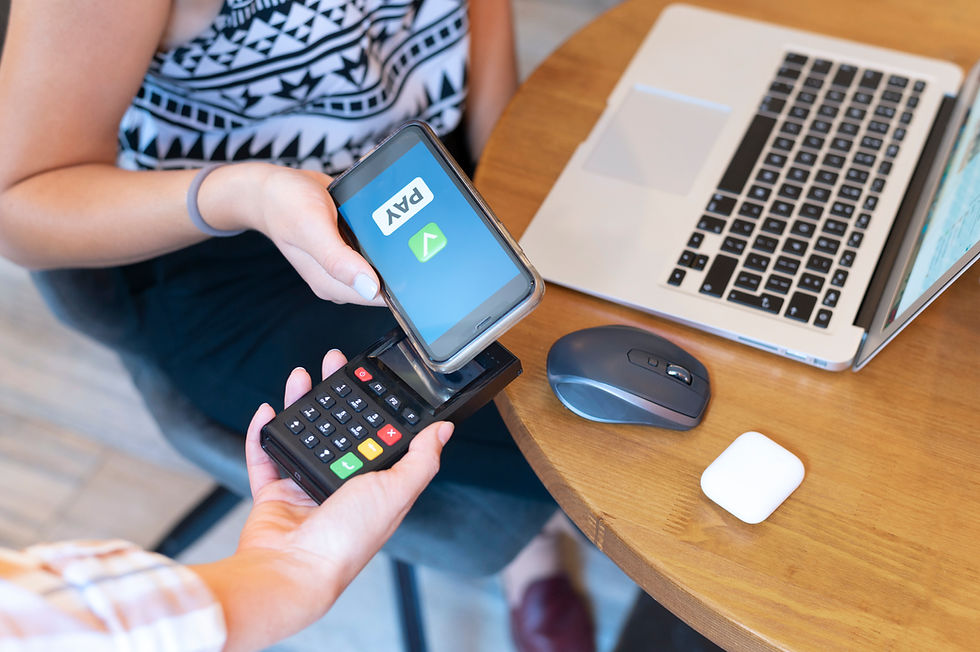
Understanding Swiss Consumer Payment Preferences
Designing Checkout Experiences That Match Local Expectations
Swiss consumers value reliability and security when making online payments. While credit and debit cards remain popular, many shoppers prefer local and alternative payment methods.
Common payment preferences in Switzerland include:
Credit and debit cards (Visa, Mastercard)
TWINT (widely used mobile payment solution)
PayPal
Invoice-based payments (Pay later models)
Apple Pay and Google Pay
By offering these options through Swiss payment solutions for Shopify, merchants ensure familiarity and confidence during checkout.
Benefits of Seamless Payment Integration
How Smooth Payments Drive Ecommerce Growth
A seamless checkout experience directly impacts sales performance. When payments feel intuitive and fast, customers are more likely to complete their purchases.
Key benefits include:
Reduced cart abandonment rates
Faster checkout completion
Improved mobile shopping experience
Higher customer trust and satisfaction
Increased repeat purchases
Optimizing payments is a core part of Shopify checkout optimization Switzerland, especially in a competitive ecommerce landscape.
Popular Swiss Payment Solutions for Shopify
Choosing the Right Payment Providers
Shopify supports multiple payment gateways suitable for Swiss businesses. Selecting the right solution depends on customer demographics and business goals.
Popular Swiss payment options include:
TWINT – The most popular mobile payment app in Switzerland
PostFinance Checkout – Trusted local payment provider
PayPal – Widely used for international and local purchases
Stripe – Supports cards and digital wallets
Invoice payments – Preferred by B2B and cautious shoppers
Using trusted providers strengthens secure online payments for Swiss Shopify stores and reinforces brand credibility.
Step-by-Step Guide to Shopify Payment Integration in Switzerland
A Practical Setup Approach
Integrating payment solutions in Shopify is straightforward when approached systematically.
Step 1: Analyze Customer Payment Behavior
Review analytics and customer feedback to identify preferred payment methods.
Step 2: Select Shopify-Compatible Payment Gateways
Ensure the gateway complies with Swiss regulations and supports CHF transactions.
Step 3: Configure Payment Settings
Go to Shopify Admin → Settings → Payments and enable selected providers.
Step 4: Test Checkout Flow
Run test transactions to ensure smooth redirection and confirmation.
Step 5: Display Trust Signals
Show secure payment icons and badges prominently during checkout.
This process ensures a seamless payment experience Shopify Switzerland shoppers expect.
Mobile-First Payment Experiences for Swiss Shoppers
Meeting Expectations on Every Device
Mobile commerce continues to grow in Switzerland. Therefore, payment experiences must be optimized for smartphones and tablets.
Mobile payment UX best practices include:
One-click payments with TWINT or Apple Pay
Minimal form fields
Auto-filled billing details
Fast-loading checkout pages
Mobile optimization directly supports Shopify checkout optimization Switzerland, especially for urban shoppers.
Security and Compliance: Building Trust Through Protection
Why Secure Payments Are Non-Negotiable
Swiss consumers place a high value on data privacy and security. Payment systems must reflect these expectations.
Essential security best practices include:
SSL encryption
PCI-DSS compliant payment gateways
Two-factor authentication
Fraud detection tools
Regular platform updates
Strong security measures are fundamental to secure online payments for Swiss Shopify stores.
Measuring Payment Integration Success
Tracking Metrics That Matter
Once payment solutions are integrated, continuous monitoring ensures long-term success.
Important KPIs to track include:
Cart abandonment rate
Payment success rate
Checkout completion time
Customer feedback and reviews
Repeat purchase rate
Data-driven optimization ensures your Shopify payment integration Switzerland strategy continues to perform effectively.
Payments as a Competitive Advantage
In Switzerland’s sophisticated ecommerce market, seamless payment integration is no longer optional—it’s essential. By offering familiar, secure, and fast payment options, Shopify merchants can significantly enhance user experience and convenience.
When combined with strong UX design and robust security practices, Swiss payment solutions for Shopify help businesses build trust, increase conversions, and stand out in a competitive digital landscape.
Frequently Asked Questions
1. What is the most popular payment method in Switzerland?
TWINT is one of the most widely used mobile payment methods in Switzerland.
2. Can Shopify support Swiss payment gateways?
Yes. Shopify supports multiple Swiss-compatible payment providers.
3. Is invoice payment important for Swiss customers?
Yes, especially for B2B and cautious online shoppers.
4. Are Swiss payment gateways secure?
Most reputable Swiss gateways follow strict security and compliance standards.
5. Does payment optimization improve conversions?
Absolutely. A seamless payment experience significantly reduces cart abandonment.


Comments